


Everything You Need to Know About Your Air Supply Heating and Conditioning
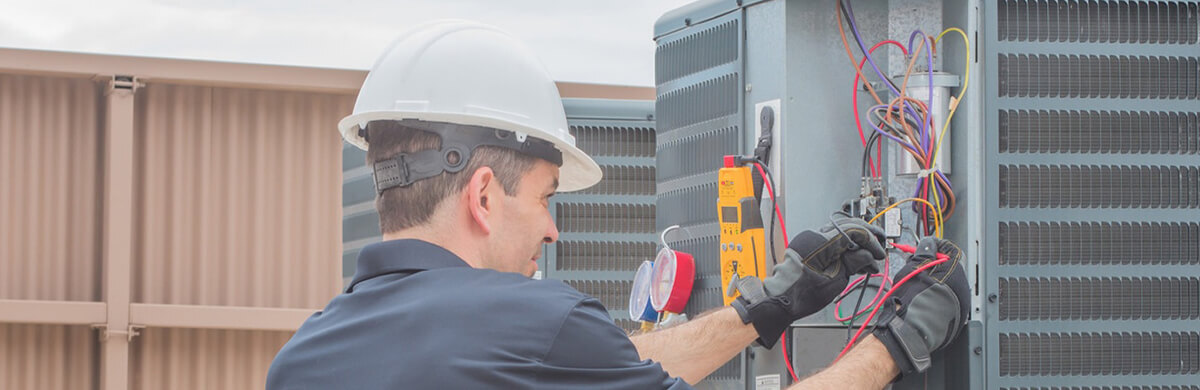
The big air conditioner boxes that you see protruding from the top of apartment blocks or office buildings are some examples of HVAC systems. These are just some of many HVAC systems that are used in modern interior environments whether small or large. HVAC systems are required for almost every building by health regulators because they are essential in providing you healthy and temperate indoor air. The way your HVAC system in your home operates, and its efficiency, tends to differ dramatically from some of the bigger commercial installations.
Heating Systems
Radiant floors are another heating option (also known as a hydronic heating system). Under the flooring is a network of piping which is made of flexible tubes that carry water or a glycol solution. Radiants floors are considered a much more efficient way of providing warmth throughout your entire home. You can also install a hydronic heating system into wooden flooring, but you will need to install a protective casing.
Cooling Systems
The Main Components
There are six critical components to your HVAC system that allow it to operate efficiently and optimally. Your standard system will always collect heat from within a space before absorbing and redistributing it. Here is how it works:
- The heat exchanger is the section of your housing or business that absorbs heat and cool air so that your thermostat can activate. All heat exchangers are comprised of temperature-resistant alloys that prevent damage to your heating system.
- The blower motor is the device that transfers warm air through the air ducts in your home or business. The combustion process will always end before your blower shuts off so that all of the hot air that your system produces will make it throughout your home.
- The combustion chamber is essentially an oxygen burner. As fresh air is collecting inside the chamber, the pilot light or glow stick will ignite and it burns in a controlled fire. This is an essential part of the heating process.
- A condenser coil or compressor is usually located outside of your home. The device is responsible for cooling your home by releasing heat into the outdoors. Hot air is also converted into a refrigerant which then makes its way through an aluminum or copper line to your evaporator coil.
- Whenever the warm air touches your evaporator coils, condensation occurs. This will reduce the humidity in your home and make it feel a lot cooler.
- The thermostat is the regulatory device that determines when to turn on and off your heating and cooling systems. It has temperature sensors that work through a connection of wires throughout your home or business. Some homes have multiple thermostats, and others only have one. Multiple thermostat controls enable you to save energy by only heating or cooling occupied areas. Thermostats are also programmable so that you can achieve the temperature level of your liking.
Returning Air Ducts and Handling Units
Signs of Repair
- Your air conditioner or heating unit is working, but not efficiently
- The temperature control is inconsistent and not ideal
- You’re noticing that water is leaking from your HVAC system
- Strange noises are coming from your heating/cooling unit
Have any questions regarding your HVAC system? You can always call us and speak with one of our representatives. They can answer all of your questions in greater detail. They can also explain more about the ins and outs of indoor heating and cooling systems.