
Everything Included in an HVAC Inspection Checklist and How It Benefits You
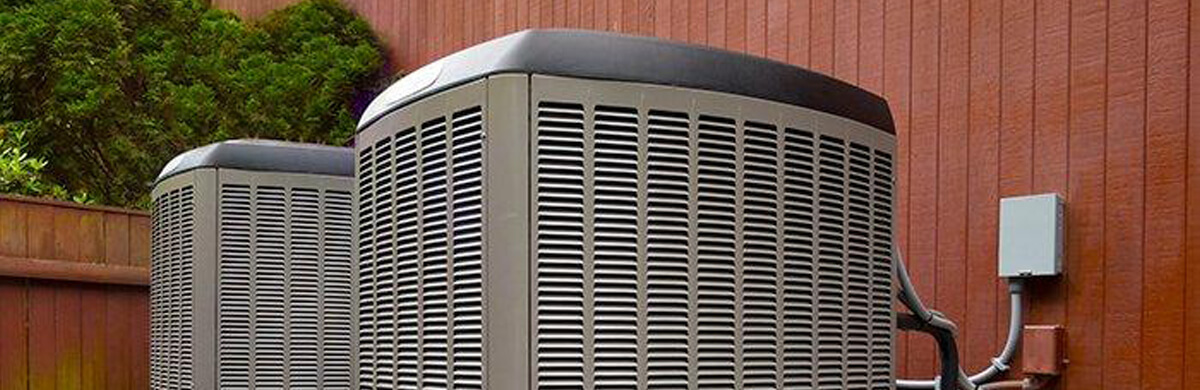
HVAC Inspections are a lot more complicated than you think. They involve a multiple-step process where you will need to examine every component of your heating, air, and ventilation system. However, the HVAC Inspection Checklist establishes a more straightforward approach when assessing your home or business. It helps you cover all of your bases when determining if your system is functioning as it should.

The checklist itself serves as a sort of safety net which ensures that you are not overlooking anything. You should also carry out inspections regularly to guarantee that your HVAC system is receiving the proper care and attention it needs. Here is the itemization you will usually encounter with a standard HVAC Inspection Checklist:

  • The basic functioning of furnaces, heat pumps and air conditioners
  • Thermostat calibrations
  • Blower components (fan blades, motors, etc.)
  • Proper airflow through the entire system
  • Electrical connections
  • Quality of installation (whether installed originally by you or another HVAC business)
  • Overall condition of already installed equipment
  • Condenser and evaporator coils
  • Test safety controls
  • Refrigerant pressure
  • Test venting and clearance
  • Gas pressure
  • Test combustion air

The checklist can vary based on the HVAC system in question (a manufacturing facility will differ from a smaller residential property). You should always improve and modify your checklist when necessary. Having a checklist in the first place will make a world of difference in performing regular maintenance and repairs.

The Benefits of a Checklist

comprised of several different parts that need to be working succinctly at all times. Think of it as a piece that’s missing from the entire puzzle – if one of the components continues to falter, then it throws off the entire system. The checklist is part of a streamlined process that allows you to diagnose your system and then go about solving the issue properly. This way you are also addressing the underlying problem which will make your system much more sustainable.

Regular HVAC Maintenance

Most of the time, if our air and heating systems are working properly, we assume that nothing is wrong with them. However, this isn’t always the case. Suddenly you experience a major disruption and your system is no longer running. Timely inspections can go a long way in preventing the unpredictable. You’ll also notice that these kinds of catastrophes tend to happen when you’re planning a big get-together with all your friends and family. You want to avoid a situation like this at all costs, which is why a regular maintenance plan will greatly reduce the likelihood of any major disasters with your HVAC system.

A Cost-Effective Solution

HVAC inspection checklists are a big part of performing regularly-scheduled maintenance and repairs. And it’s the timeliness of these repairs that will ensure you are benefiting financially from your checklist. For example, a poorly-maintained HVAC system will cause your monthly utility bills to increase. When your system isn’t running efficiently, it will require more energy to heat or cool your home. Greater energy efficiency will ultimately save you a lot of money.

Also, consider your repair costs. Every HVAC system will need to be repaired at some point, but a checklist will enable you to detect the problem early on before it exacerbates into something a lot more serious. A lot of the costly repairs that you encounter in an average HVAC system can be prevented. The more opportunity you create to detect the issue early on, the more money you will ultimately end up saving.

Longevity

The HVAC Inspection Checklist is also a big part of ensuring that you can prolong the lifespan of your equipment. Let’s say the past couple of summers have been a real doozy. You were running your air conditioning system on full blast all the time. Suddenly your system is no longer functional and you will need to replace the entire thing, which won’t be cheap. Neglecting to undergo regular maintenance means that you will be paying for costly replacements a lot more often than you should. You always want to get the most value out of your current system, and regular maintenance will have your equipment last a lot longer.

Health and Safety

If you or any of your family members have respiratory issues, then you could be in trouble. Neglecting to undergo a standard inspection means that you are allowing dirt, dust, mold, filth, and bacteria to collect and accumulate inside your ventilation system. This can compromise your air quality which poses a major health risk for you and your family. There is also the chance of a carbon monoxide leak, which is also a major cause for concern. Most of us won’t detect it until we begin to experience symptoms that stem from prolonged exposure to the noxious gas (carbon monoxide is tasteless and odorless). A checklist will do you a great deal of good in protecting your family and ensuring that everyone is safe and healthy at all times.

Seasonal Checklists

You should always ensure that you are prepared for the upcoming seasonal change. This is why it’s very useful to create separate checklists for the summer and winter months. Some of the checks will be similar and some will be different depending on the systems you are using. Either way, the ultimate goal is to implement more preventative maintenance in your home or place of business. If you have a single system that cools and heats your home, then you should inspect it twice a year. If you have separate systems for cooling and heating, then you should inspect your air conditioning unit in the spring, and your furnace in the fall.

Are there some questions you have regarding the HVAC Inspection Checklist? You can always contact one of our staff members who will offer you answers. They can also provide you with detailed information on HVAC systems in general.